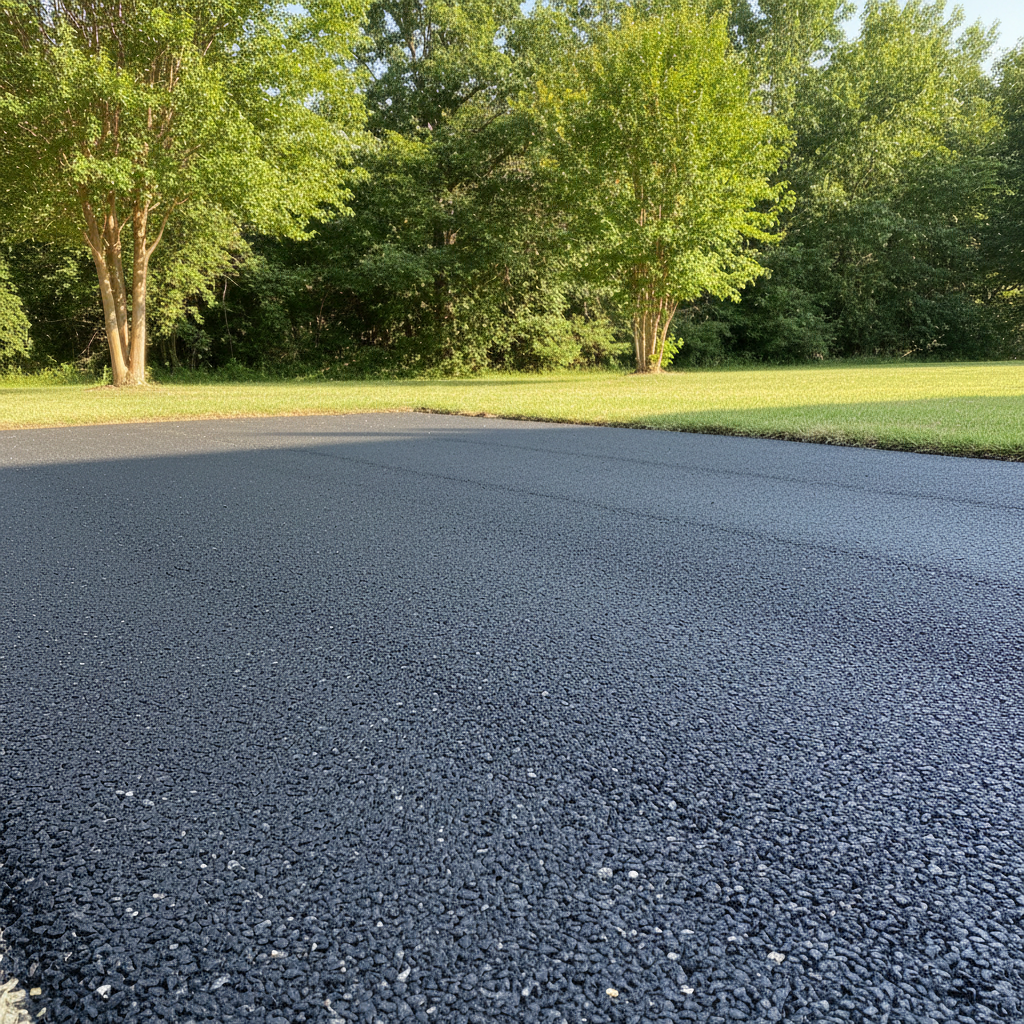
Alright, let's talk about asphalt milling. It's a term you might hear when you're looking at getting your driveway or a private road fixed up, and it can sound a bit technical. But honestly, it's a really common and often the best approach for asphalt repair and resurfacing, especially here in Irving. I get a lot of questions about it, so I figured I'd tackle the most frequent ones for you.
What exactly is asphalt milling?
Think of it like this: instead of just piling new asphalt on top of old, cracked, and uneven pavement, milling is the process of precisely grinding off the top layer of that existing asphalt. We use a specialized machine with a rotating drum that has a bunch of cutting teeth. It shaves off a specific depth of the old surface, leaving behind a nice, textured base that's ready for a fresh layer of asphalt. It's not just ripping everything out; it's a controlled removal.
Why would I choose milling over just repaving or a full tear-out?
There are a few big reasons. First, cost. Milling is almost always more affordable than completely tearing out and replacing an entire asphalt surface. You're saving on demolition costs, hauling away all that old material, and the amount of new aggregate base you might need. Second, it's efficient. We can often get a milling job done quicker than a full reconstruction. Third, it maintains your existing grades. If your driveway already slopes correctly for drainage, milling helps us keep that slope, which is crucial for preventing water issues. Plus, it's environmentally friendly because the milled material, called 'reclaimed asphalt pavement' or RAP, can be recycled and used in new asphalt mixes. It's a win-win.
How deep do you usually mill?
That really depends on the condition of your existing pavement and what we're trying to achieve. For a typical residential driveway or private road that's showing a lot of surface cracks, potholes, or just general wear, we might mill anywhere from 2 to 4 inches deep. The goal is to get past the damaged layers and create a stable, uniform surface for the new asphalt. If the damage goes deeper, or if there are significant sub-base issues, we'll assess that during the initial inspection and discuss options. We're not just guessing; we're looking at the structural integrity.
Will milling fix all the cracks and potholes?
It'll fix the surface cracks and potholes, absolutely. When we mill off that top layer, all those surface imperfections go with it. What milling *doesn't* always fix are deeper structural problems, like issues with the sub-base (the layer underneath the asphalt). If your pavement is failing because the ground underneath is shifting or settling, especially with our expansive clay soils here in North Texas, milling alone might not be enough. We'd identify those deeper issues during our assessment and recommend appropriate sub-base repairs before any new asphalt goes down. You don't want to put a new hat on a broken head, right?
How long does the milling process take?
For most residential driveways or smaller private roads, the actual milling process itself can be surprisingly quick, often just a day or less, depending on the size and complexity. The whole project, including laying down the new asphalt, usually takes a few days. We coordinate everything to minimize disruption for you. We're pretty efficient at All Star Paving, so we'll give you a clear timeline upfront.
What happens to all the milled asphalt material?
That's the cool part about milling! The machine collects the old asphalt as it grinds it up. This material, the RAP I mentioned earlier, is then hauled away. It doesn't just go to a landfill; it gets recycled. It can be processed and incorporated into new asphalt mixes, or even used as a base material for other construction projects. It's a sustainable practice that reduces waste and the demand for virgin materials. It's good for your wallet and good for the environment too.
Hopefully, that clears up some of the common questions you might have about asphalt milling. It's a solid, smart choice for many pavement repair projects. If you've got a driveway or private road in Irving that's seen better days, give us a call. We'll come out, take a look, and give you an honest assessment of whether milling is the right solution for you.