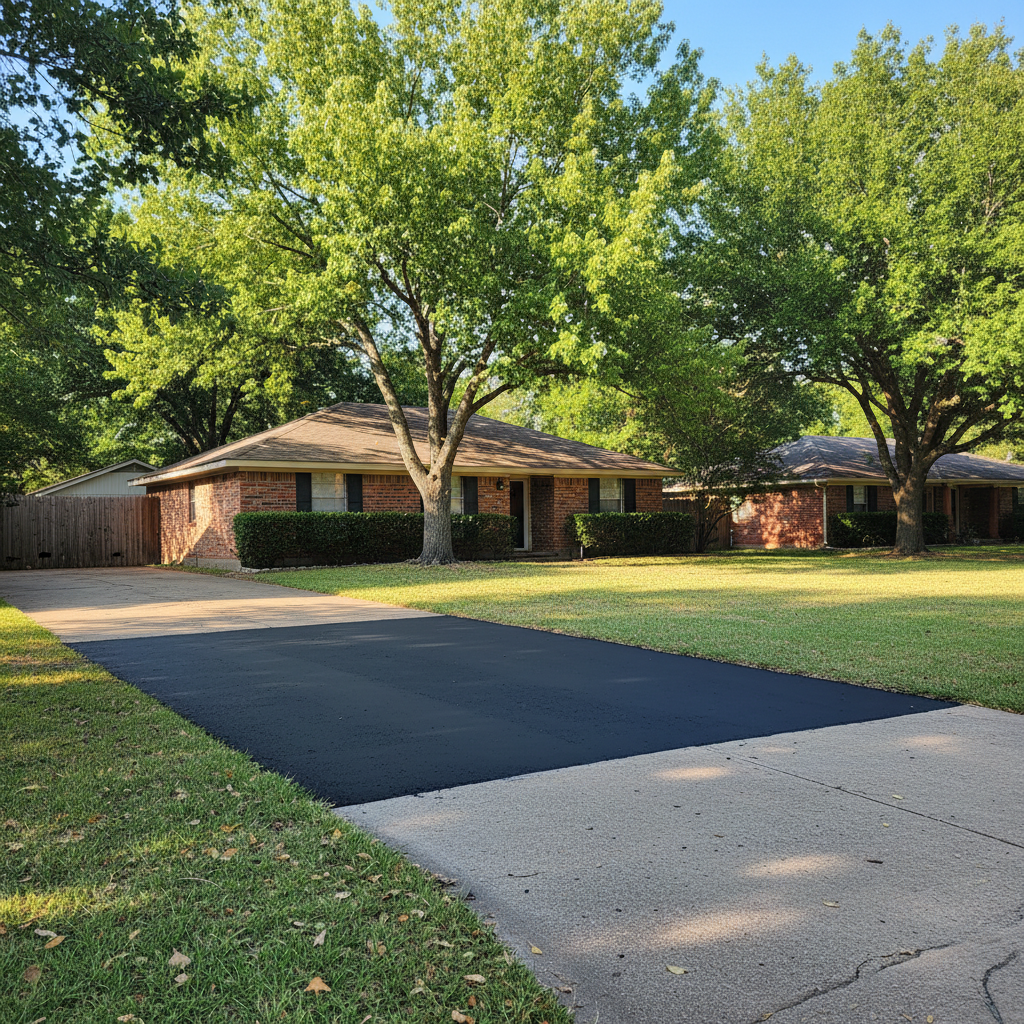
Got cracks or potholes popping up in your asphalt driveway? It's a super common sight, especially here in Irving. You might be scratching your head, wondering, "When's the absolute best time to fix these things?" Can you just patch it whenever, or does the weather actually make a difference?
Believe me, it makes a huge difference. Patching isn't just about tossing some asphalt into a hole; it's about making that repair last. And our Texas climate, with its wild temperature swings, really dictates how well that patch sets and holds up over time.
Timing Your Patching: When's Best?
When it comes to asphalt patching, timing is, well, almost everything. You want to hit that sweet spot where conditions are just right for the new material to really bond and cure properly. Here in Irving, that usually means staying away from the really hot or really cold days.
- Spring and Fall are Your Go-To Seasons: These seasons bring the most stable temperatures. We're talking consistent daytime temps between 50°F and 85°F. This range lets the asphalt mix stay workable, compact well, and then cure without getting too hot too fast or too cold too quickly. It's warm enough for the material to be pliable, but not so hot it turns sticky and hard to handle, nor so cold it just won't bind.
- Summer Heat: Tread Carefully: We all know how brutal Irving summers can get. While some patching is possible, intense heat (90°F+) can make the asphalt mix cure way too fast, which leads to weaker bonds. Plus, the existing asphalt gets super soft, which can sometimes complicate repairs. If you absolutely *must* patch in the summer, it's best to do it first thing in the morning before the sun really starts baking everything.
- Winter Woes: Avoid if You Can: Freezing temperatures are the absolute enemy of asphalt patching. When it dips below 40°F, the asphalt mix stiffens up, making it tough to compact correctly. Water can also freeze in cracks and the sub-base, expanding and causing all sorts of problems with the repair. You might get a temporary fix, sure, but it won't hold. If you've got an emergency pothole in the dead of winter, we can do a temporary cold patch, but you'll definitely need a proper hot mix repair once it warms up.
Weather Conditions That Affect the Work
Beyond just temperature, other weather factors can really make or break a patching job.
- Dry Conditions are a Must: This isn't negotiable. You simply can't patch asphalt effectively if the area is wet. Water stops the new patch material from sticking to the existing pavement. It also weakens the base underneath the patch, which means it'll fail sooner. If it's rained recently, we'll need to wait until the area is completely dry — that could take a day or two, depending on how much rain we got and how much sun it's catching.
- No Rain in the Forecast: We always, always check the forecast before we even think about starting a patching project. Even if it's dry when we begin, a sudden downpour can totally ruin a fresh patch before it's had a chance to set. A good asphalt contractor, like us at All Star Paving, won't start a job if there's a high chance of rain.
- Wind: Not a Huge Factor, But Keep It in Mind: High winds usually aren't a deal-breaker for patching. They can make it a bit harder to keep the work area clean, though, and might cool the hot asphalt mix faster than we'd like. It's more of a minor annoyance than a major problem, honestly.
Protecting Your Investment Year-Round
Once those patches are done, you want them to last, right? Of course! Here's how you can protect your asphalt all year long:
- Sealcoating: Your First Line of Defense: About a year after your patching is complete, think about sealcoating your entire driveway. This isn't just for looks; it's a protective layer against UV rays, water soaking in, and oil spills. It keeps your asphalt flexible and stops those tiny cracks from forming and turning into bigger headaches. We generally recommend sealcoating every 2-3 years, depending on how much traffic it sees and how much wear it gets.
- Address Small Issues Quickly: Don't let a small crack balloon into a massive pothole. As soon as you spot new cracks, especially those "alligator" cracks that look like scales, get them sealed. It's way cheaper and easier to fix a small crack than to repair a big section of pavement.
- Proper Drainage: This is a big one, especially in places like Irving where we get those heavy downpours. Make sure water isn't pooling on your driveway. If it is, that standing water will eventually seep into cracks, freeze and expand in winter, and erode the sub-base, causing even more damage. Sometimes, a simple drainage fix can save you a lot of future trouble.
- Keep it Clean: Regularly sweep off debris, leaves, and dirt. These can trap moisture against the asphalt, which helps it break down faster. Also, clean up any oil or gas spills immediately — they eat away at the asphalt binder.
- Avoid Heavy Loads: If you've got a new patch, try not to park heavy RVs or commercial vehicles on it for at least a week or two. Give it some time to fully cure and harden, will you?
Look, maintaining your asphalt isn't rocket science, but it does take a little know-how and timely action. By understanding how our local Irving climate affects your pavement, and by being proactive with repairs and maintenance, you'll significantly extend your driveway's life. If you've got questions about a specific spot or need a hand with patching, give us a call at All Star Paving. We're here to help you keep your asphalt looking good and performing strong.