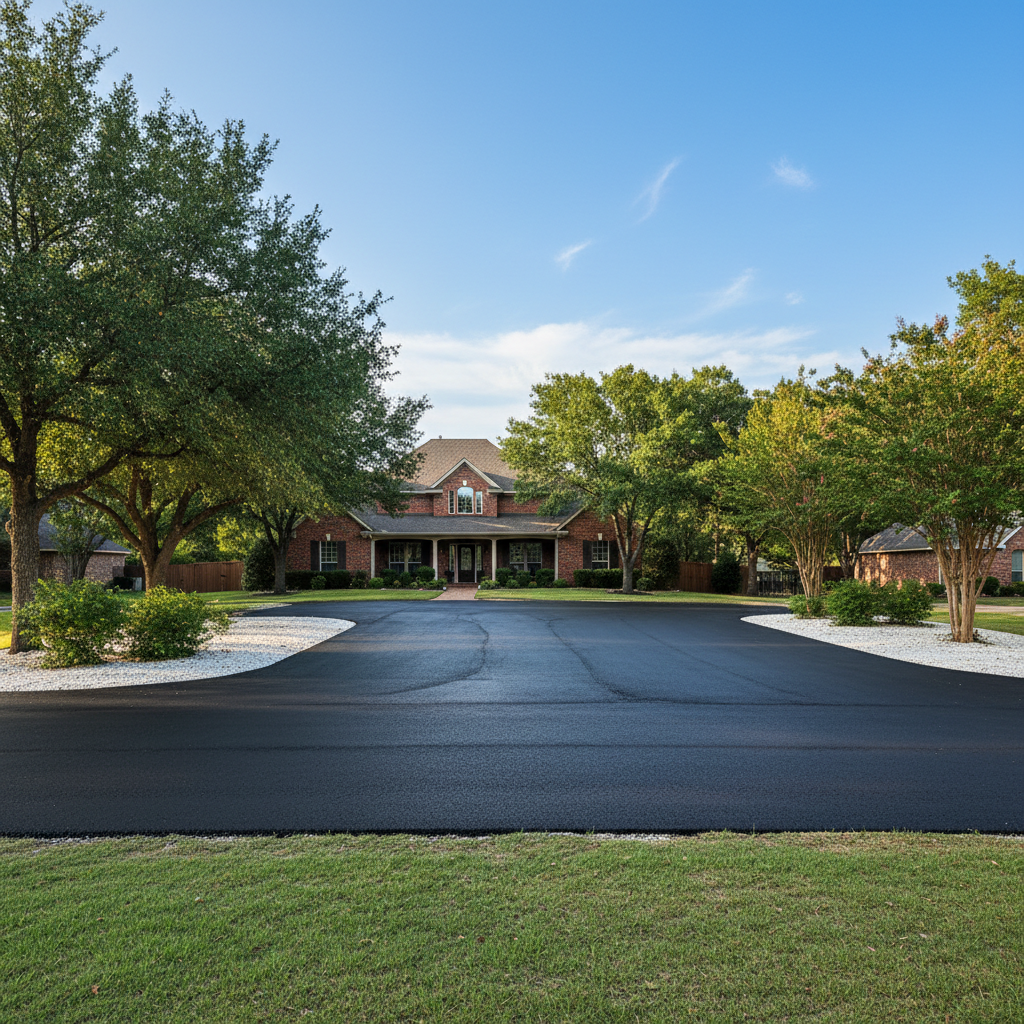
So, you've got a parking lot, and it's pretty clear it needs some attention. But when's the *best* time to actually get that work done here in Irving? It's not just about when you've got the cash; our wild Texas weather really dictates how well your paving project turns out and, more importantly, how long it actually lasts.
Understanding Irving's Climate and Your Pavement
We see it all, don't we? Blazing hot summers, those unexpected freezes, and then the sudden downpours. All of it just beats up asphalt. When you're thinking about new paving or a big repair job, temperature and moisture are the two main things we're always watching. Asphalt needs specific conditions to cure right, and if we miss those, well, you're basically just throwing money away.
When to Schedule Your Paving Project
For major paving work — like laying down new asphalt or a full overlay — you're usually looking at spring and fall. These are our sweet spots, honestly. The ground temperatures are more stable, and we're less likely to run into extreme heat or cold.
- Spring (March to May): This is prime time. The ground has finally thawed out from any winter chill, and the air temperatures are typically between 50 and 80 degrees Fahrenheit. That's perfect for asphalt compaction and curing. Plus, we often get a good, long stretch of dry days.
- Summer (June to August): We *can* pave in the summer, but it definitely has its challenges. That intense heat, especially those 100-degree days we get, can make the asphalt cure too fast. That can lead to problems if it's not handled just right. We also have to keep an eye out for afternoon thunderstorms, which can pop up quickly and ruin a fresh pour. For smaller patch jobs or crack sealing, summer's usually fine, but for big projects, we're extra careful.
- Fall (September to November): Another excellent window. Temperatures start to cool down but stay above freezing, giving us another long stretch of good paving weather. This is often when folks who missed the spring rush try to get their projects in.
- Winter (December to February): Generally speaking, this is a no-go for new asphalt paving. Asphalt needs to be laid on a stable, unfrozen sub-base. Even if the air temperature is mild, the ground could still be too cold. Plus, the risk of a sudden freeze or ice storm is always there, and you absolutely don't want that on fresh asphalt. We might do emergency repairs or specific types of patching, but major installations are usually off the table.
Weather Conditions That Affect the Work
It's not just the season; it's the day-to-day conditions, too. Here's what we're always monitoring:
- Temperature: Like I said, 50-80°F is ideal. Too hot, and the asphalt can get too soft, making it tough to compact properly and prone to rutting. Too cold, and it stiffens up too fast, which stops proper compaction and causes early cracking.
- Rain and Moisture: You just cannot pave on wet ground or in the rain. Water under the asphalt can lead to structural failures down the line. It also prevents the asphalt from bonding correctly. If rain is in the forecast, we'll reschedule, simple as that. Even high humidity can be a factor, though it's less critical than direct rain.
- Wind: Strong winds can cool the asphalt too quickly, similar to cold temperatures, making it harder to work with and compact. It also makes it tough for our crew!
We've done a ton of parking lots around here, from the Las Colinas business parks to smaller retail spots in the older parts of Irving. We know what this Texas weather can throw at us, and we always plan around it. That's why you hire pros like All Star Paving; we understand the local conditions and how they impact your project.
Protecting Your Investment Year-Round
Once you've got that beautiful new or repaired parking lot, you want it to last, right? Here's how to keep it in top shape:
- Regular Inspections: Walk your lot quarterly. Look for small cracks, potholes, or areas where water might be pooling. Catching these early can save you a fortune.
- Sealcoating: This is basically your asphalt's sunscreen and raincoat. A good sealcoat every 2-3 years protects it from UV rays, water penetration, and oil spills. It's a relatively inexpensive way to really extend the life of your pavement.
- Crack Sealing: Don't let those small cracks turn into big problems. Water is asphalt's worst enemy. When it gets into cracks, freezes, and expands (which it *does* here in Irving sometimes!), it causes massive damage. Seal those cracks as soon as you spot them.
- Drainage Maintenance: Make sure your drains are clear. Water sitting on your pavement will break it down over time. Clear out leaves, dirt, and debris regularly.
- Prompt Repairs: If you see a pothole, get it fixed. Potholes only get bigger and more expensive to repair the longer you wait.
- Sweeping and Cleaning: Keep your lot free of dirt, gravel, and debris. These can abrade the surface and contribute to wear.
Taking care of your parking lot isn't a one-and-done deal. It's an ongoing commitment, especially with our Texas climate. But with a smart seasonal approach to paving and consistent maintenance, you'll get years of solid performance out of your asphalt. If you've got questions or need an assessment, give us a call at All Star Paving. We're always happy to help our neighbors here in Irving.