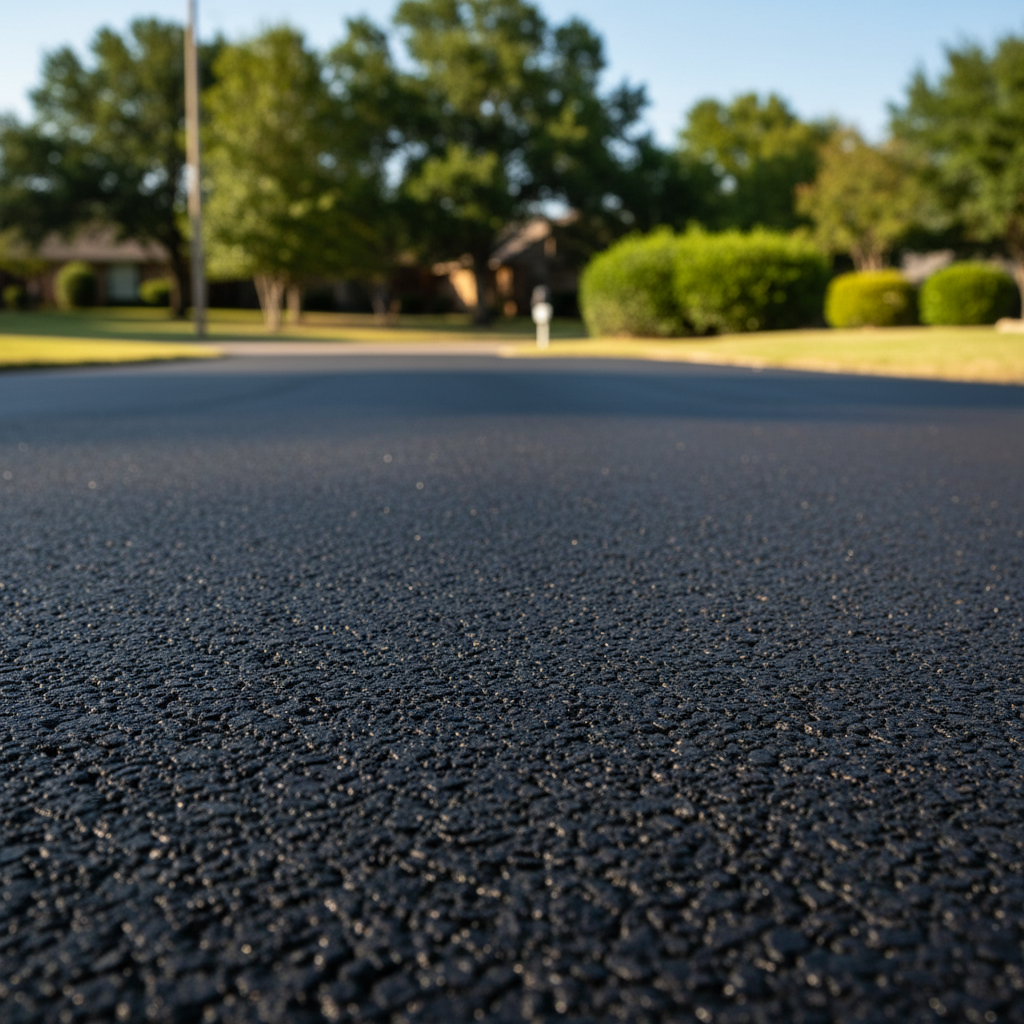
So, you're staring at your driveway, huh? Thinking it might be time for some asphalt work? Maybe you're putting in a brand new one, or perhaps those cracks and potholes are just really starting to get on your nerves. Whatever the reason, getting asphalt done right for your Irving home isn't just about calling some random guy with a truck. There's actually quite a bit to know, and I'm here to lay it all out for you.
Before the Shovel Hits the Ground
First things first, what exactly do you need? A full tear-out and replace? A fresh installation on ground that's never seen asphalt before? Or just some patching and an overlay? Knowing this helps you figure out the scope of the job and, let's be honest, the cost. If you're only seeing a few small cracks, you might even be able to tackle those yourself with some good crack filler from the hardware store. We're talking hairline stuff, maybe up to a quarter-inch wide. Anything bigger, or if you've got that "alligator cracking" pattern, that usually signals a deeper problem — one that needs a pro's eye.
Don't forget about drainage either. Here in Irving, especially with our clay soils, managing water is a huge deal. You definitely don't want water pooling on your new asphalt, or worse, running straight towards your home's foundation. A good contractor will check your property's slope and suggest proper grading. This isn't really a DIY job; improper grading can lead to bigger headaches and some seriously costly repairs down the road.
Get a few quotes. Seriously, don't just pick the first company you call. Ask around, check references. A reputable company, like us at All Star Paving, will come out, look at your property, and give you a detailed estimate. They'll explain what they plan to do, why they're doing it that way, and what materials they'll use. If someone quotes you a price over the phone without ever seeing the site, well, that's a pretty big red flag, isn't it?
During the Project: What to Expect
Once you've picked your contractor, they'll give you a timeline. Weather plays a huge role here in Texas. We can't lay asphalt if it's raining or too cold. The ground needs to be dry and the temperature just right for the asphalt to cure properly. Don't push them to work in bad conditions; it'll only lead to a weaker, shorter-lived driveway, and nobody wants that.
For a new installation or a full replacement, expect some noise and heavy equipment. They'll be excavating, grading, and then putting down the base material before the asphalt goes on. It's quite a process. If it's just an overlay, it's a bit less involved, but still needs careful prep like cleaning and possibly tack coating the old surface to make sure the new layer sticks properly.
Communication is key during the project. If you have questions or concerns, ask them! A good crew will keep you updated on their progress and any unexpected issues that might pop up. You're paying for a service, so don't be shy about making sure things are going according to plan.
After the Asphalt is Down
Okay, the new asphalt is in, and it looks fantastic. Now what? The most important thing is to give it time to cure. Your contractor will tell you how long to stay off it, but typically it's at least 24-48 hours for light traffic, and even longer for heavy vehicles. Don't park your RV on it immediately, even if it looks hard. It's still soft underneath and can rut or indent.
For the first few months, especially during our hot Irving summers, your asphalt will be more prone to damage. Try to avoid turning your steering wheel sharply while stopped on the new surface. This can scuff or tear the asphalt. Also, be careful with heavy point loads like trailer jacks or even motorcycle kickstands; always use a piece of wood underneath to spread out the weight.
Maintenance is where you can really make your asphalt last. Keep it clean. Sweep off dirt, leaves, and debris regularly. Don't let oil or gas spills sit there; they'll break down the asphalt binder. Clean them up quickly with an absorbent material and some soap and water. Sealcoating is another big one. Typically, you'll want to wait 6-12 months after installation for the asphalt to fully cure before that first sealcoat, then every 2-3 years after that. This protects it from UV rays, water, and chemicals, keeping it looking good and stopping cracks before they start.
Small cracks? Deal with them fast. Remember those small crack fillers I mentioned? That's exactly when you should use 'em. Filling them early prevents water from seeping in, freezing, expanding, and turning a small crack into a big pothole. If you're seeing widespread cracking or significant potholes, that's when you call in the pros again. Trying to patch large areas yourself often just makes things worse or creates an uneven surface that'll fail even faster.
Taking care of your asphalt driveway isn't rocket science, but it does need a little attention. Do it right, and you'll have a smooth, durable surface for years to come.