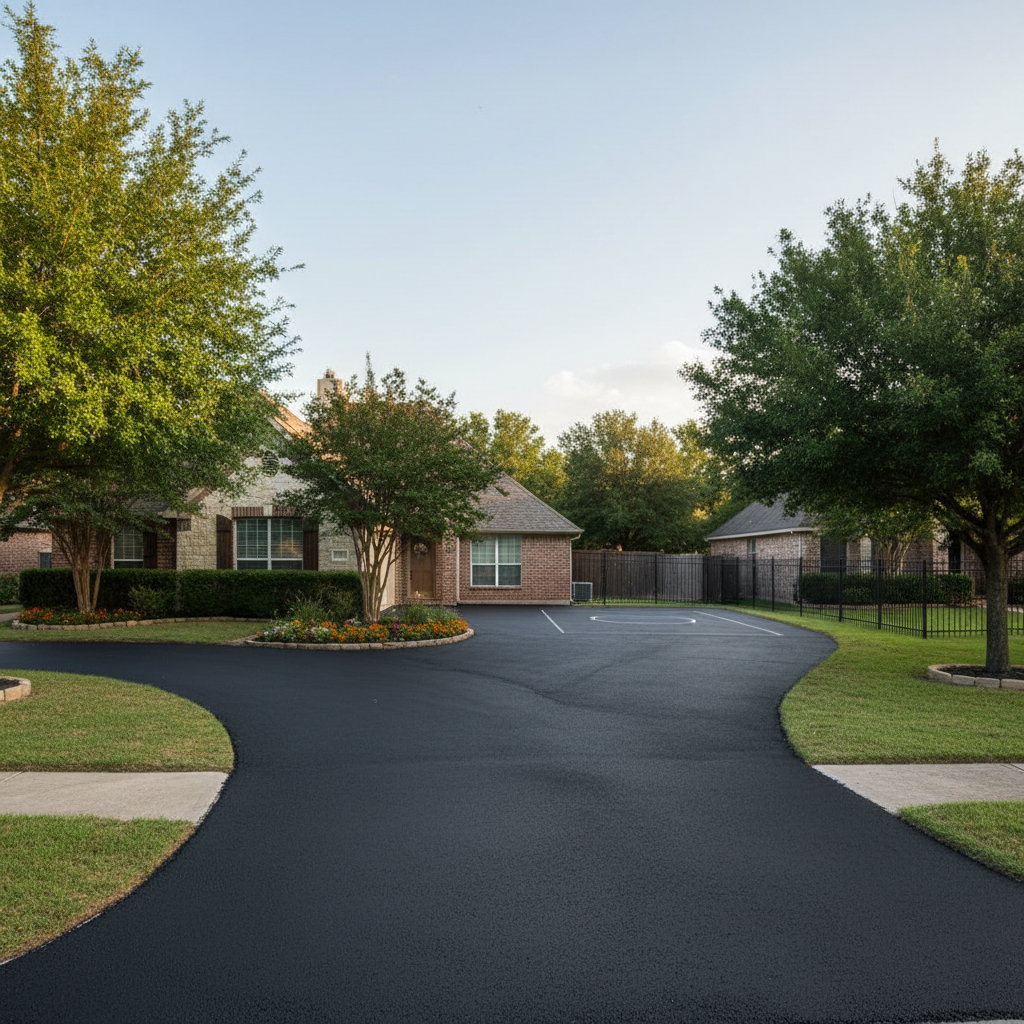
So, you're thinking about slurry coating your property here in Irving. Good call, honestly. It's a fantastic way to protect your asphalt and keep it looking sharp, especially with that Texas sun beating down and the occasional heavy rain we get. But, just like any decent home improvement project, a little planning goes a long way. You really don't want to jump into this blind, trust me. Here's what you need to know to make sure your slurry coating project goes off without a hitch.
Project Timeline: What to Expect
Let's talk about how long this all takes. A slurry coating project isn't an overnight thing, but it's not going to drag on for months either. From your first phone call to the finished product, here’s a rough idea of the timeline:
- Initial Contact & Estimate (1-2 weeks): You'll probably reach out to a few contractors, hopefully including All Star Paving, to get some bids. We'll come out, measure your area, check out your existing asphalt's condition, and then give you a detailed quote. Scheduling that initial visit can sometimes take a few days, depending on how busy we both are.
- Scheduling the Work (1-4 weeks): Once you pick a contractor, you'll get on their schedule. This part can really vary depending on the time of year. Spring and fall are usually our busiest seasons because the temperatures are just perfect for curing. Summer works too, but we might need to start earlier in the day to beat the heat.
- Prep Work & Application (1-3 days): This is when the actual work happens on-site. It usually involves a thorough cleaning of the surface, making any small repairs (like filling cracks), and then putting down the slurry.
- Curing Time (24-72 hours): This step is super important. After we apply it, the slurry needs time to cure properly before you can drive or even walk on it. We'll give you an exact timeframe, but generally, plan for at least a full day, sometimes two or three, depending on the weather and the specific product we use.
So, from start to finish, you're probably looking at a 3-7 week window. The good news? The actual time you're inconvenienced is only a few days.
What Happens During the Process?
When our crew shows up, here's the general flow of things:
- Surface Preparation: This is probably the most critical step. We'll clean the entire area that's getting coated. That means sweeping, blowing, and sometimes even power washing to get rid of all the dirt, debris, oil spots, and loose material. If there are any big cracks, we'll fill those first. A clean, stable surface is absolutely key for the slurry to stick right.
- Application: The slurry mix — which is a blend of asphalt emulsion, aggregate, water, and additives — gets applied evenly over your existing asphalt. We use specialized equipment to make sure it's a consistent thickness and has a smooth finish. We usually put it down in one or two coats, depending on the product and how your pavement looks.
- Curing: Once it's on, it's a waiting game. The water in the slurry needs to evaporate, letting the asphalt emulsion set and bind the aggregate. You'll actually see the color change as it cures, going from a brownish-black to a solid black. Don't rush this part; driving on it too soon will cause damage and leave tire marks.
How to Prepare Your Property
You've got a role to play too! Here's how you can help us make the job easier and quicker:
- Clear the Area: Move all your vehicles, trash cans, planters, basketball hoops, and anything else off the asphalt surface. We need a completely clear workspace, you know?
- Trim Landscaping: If you have bushes or trees hanging over the driveway, trim them back. This stops leaves from falling onto the fresh slurry and gives us room to work without damaging your plants.
- Water Shut-Off: Make sure any sprinkler systems are turned off for at least 24 hours before and after we apply the coating. We definitely don't want water messing with the curing process.
- Notify Neighbors: If your project touches shared driveways or street parking, give your neighbors a heads-up about the work and the curing time.
- Plan for Access: Remember, you won't be able to use the coated area for a few days. Plan alternate parking, and make sure any deliveries or services know about the restricted access.
Questions to Ask Before You Sign
Don't just go with the cheapest bid, alright? Ask these questions to make sure you're getting a quality job:
- What specific type of slurry will you be using? There are different grades and mixes out there. Make sure it's the right one for our Texas climate and your pavement's condition.
- What's your process for surface preparation? Dig into the details here. Do they sweep, blow, power wash, or all of the above? How do they handle cracks?
- What's the recommended curing time for the product you're using? Get a firm answer so you can plan accordingly.
- Do you offer a warranty on your work? If so, what does it cover and for how long? A good contractor will stand behind their work.
- Can you provide references from other homeowners in Irving? We've done plenty of jobs in places like the Las Colinas area, so we can always point you to satisfied customers.
- Are you licensed and insured? This is non-negotiable, plain and simple. You want to make sure they're legitimate and that you're protected in case of an accident.
By asking these questions and doing a bit of prep work, you'll ensure your slurry coating project is a success. It's an investment in your property, and you want it done right.