What's the Deal with Slurry Seal?
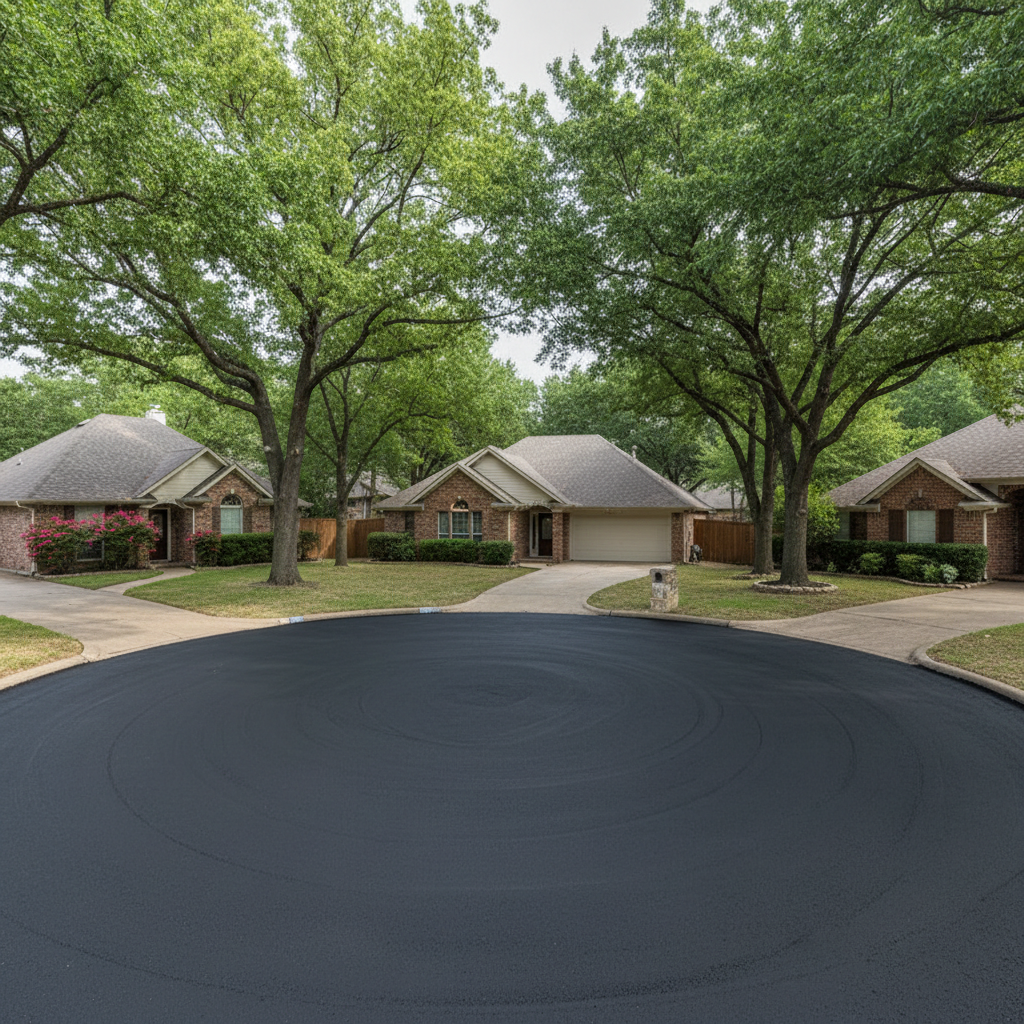
Let's talk about slurry seal. You've probably seen it, even if you didn't know what it was called. It's that dark, fresh-looking surface on roads and parking lots that just got a facelift. Basically, it's a mix of asphalt emulsion, fine aggregates (like sand or crushed rock), water, and some additives. We apply it in a thin, uniform layer over existing asphalt surfaces.
Now, why would you want this? Think of it as a sunscreen and a protective jacket for your asphalt. Our Texas sun, especially here in Irving, is brutal. That UV radiation and the constant heat cycles really dry out and degrade asphalt over time. Then you've got the rain, the traffic, and the general wear and tear. Slurry seal creates a new, durable surface layer that seals small cracks, improves skid resistance, and brings back that deep black color, making your property look a lot better.
Is Slurry Seal Right for Your Irving Property?
This isn't a fix-all for every pavement problem. If your asphalt is severely damaged, full of deep potholes, or structurally failing, slurry seal isn't going to cut it. You're probably looking at a more extensive repair or even a complete repave. But if your pavement is showing signs of aging – things like:
- Lots of fine, hairline cracks (often called 'alligator cracking' if it's widespread)
- Fading color, turning gray instead of black
- Minor surface raveling, where small stones are coming loose
- A generally rough or oxidized surface
Then slurry seal is a fantastic, cost-effective solution. It buys you years of extended pavement life without the expense and disruption of a full overlay. I've seen it work wonders on everything from residential streets in the Las Colinas area to commercial parking lots near the Toyota Music Factory.
Why Local Expertise Matters for Slurry Coating in Irving
You might think applying a slurry seal is just a matter of pouring it on, but that's not the case. The success of a slurry seal job, especially here in Irving, depends heavily on a few local factors.
First, our soil. We're on expansive clay soils in many parts of North Texas. This means our ground moves a lot with moisture changes. While slurry seal doesn't fix sub-base issues, understanding how our local soil affects pavement movement helps us assess if a slurry seal is a good candidate or if more foundational work is needed first. You don't want to put a band-aid on a broken leg.
Second, the weather. I mentioned the sun, but our sudden downpours and temperature swings are also a factor. The timing of a slurry seal application is critical. You need specific temperatures and dry conditions for the material to cure properly. Doing it too hot, too cold, or right before a rainstorm means wasted money and a poor result. We've been doing this long enough at All Star Paving to know the best windows for application.
Third, traffic patterns. A commercial parking lot needs a different approach than a quiet residential street. We consider how quickly an area needs to be reopened and plan our work to minimize disruption for your customers or residents.
Finally, there's the material itself. Not all asphalt emulsions are created equal, and knowing which mix will perform best under our specific climate and traffic conditions comes from years of local experience. We’re not just guessing; we’re applying what we know works for Irving.
The All Star Paving Difference
When you're looking at protecting your asphalt investment, whether it's a small business lot or a large HOA community, you want a contractor who understands the local conditions and has a proven track record. We've been serving Irving and the surrounding areas for years, and we've seen firsthand what works and what doesn't.
Don't let those small cracks turn into big problems. A well-applied slurry seal can save you a lot of headaches and money down the road. If you're wondering if your pavement is a good candidate, give us a call. We're happy to come out, take a look, and give you an honest assessment.