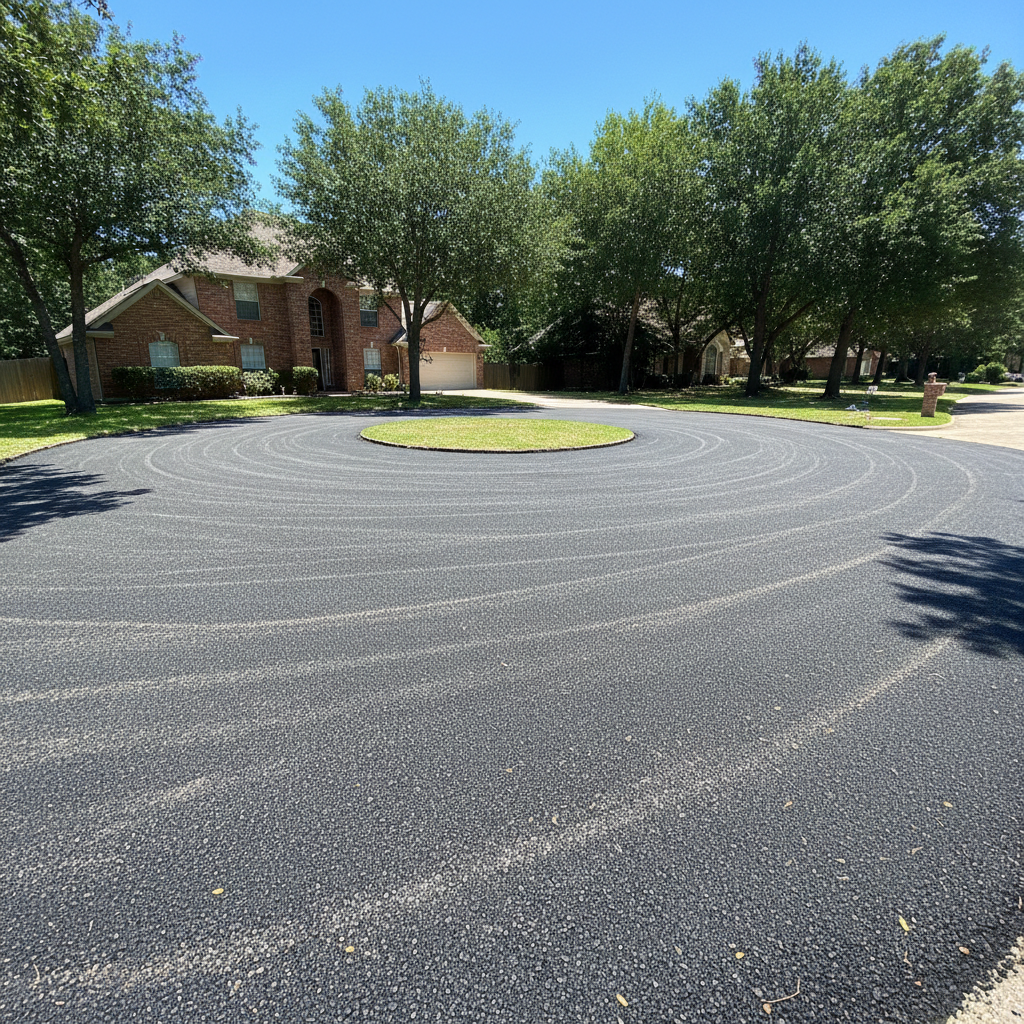
So, you're thinking about asphalt milling for your place right here in Irving. Maybe your driveway's seen better days, or that private road is screaming for a refresh, but you don't want a full tear-out. Milling is a smart choice for a lot of folks, and we do quite a bit of it here at All Star Paving. But just like any big home improvement project, you'll want to go into it with your eyes wide open, right? Let's talk about what that looks like.
Understanding Your Project Timeline
When you're planning for asphalt milling, don't just think about the day the crew shows up. There's a whole process that happens before that. First, you'll need to get some quotes. That can take a week or two, depending on how busy contractors are and how quickly they can get out to your property for a look. Good contractors will want to see the site, measure things up, and really talk through what you need.
Once you've picked a contractor and signed a contract, then comes scheduling. This is where things can really vary. In peak season, like late spring or early fall when the Texas weather is just perfect, you might be waiting a few weeks — maybe even a month or more — for an open slot. If it's the dead of summer, or right after a big rain spell, things can definitely get pushed around. We always try to fit people in, but quality work takes good planning. Permitting isn't usually a huge deal for residential driveways, but if you're doing something bigger or connecting to a city street, your contractor should handle any necessary permits, and that adds a little time too.
The actual milling and paving work itself? For a typical residential driveway, the milling might take a day, maybe two. Then the paving often follows right after, or within a day or two. So, the physical work is usually pretty quick once it starts, but most of your waiting will happen in the lead-up. Just to be safe, plan for several weeks from your first call to the finished product.
What Happens During the Milling Process?
Alright, so the crew's on site. What's going to happen? Milling basically means grinding off the top layer of your existing asphalt. Think of it like a giant planer for your driveway, if you will. Here's how it generally goes down:
- Site Prep: The crew will mark out the areas they're going to mill. They'll also make sure the site is clear and safe for everyone.
- The Milling Machine: A specialized machine, often called a milling machine or cold planer, will roll in. It's got a big rotating drum with cutting teeth that grinds up the old asphalt. Heads up: this creates a lot of noise and dust, so be ready for that.
- Material Removal: As the machine grinds, it collects the asphalt millings. These then get loaded into dump trucks and hauled away. Sometimes, these millings can even be recycled, which is a nice environmental bonus.
- Cleanup: Once the milling is done, the crew will clean up the area, often using sweepers to get rid of any loose debris. You'll be left with a rough, textured surface, all ready for a new layer of asphalt.
- Paving Prep (if applicable): If you're getting a new asphalt overlay right after, the crew will then prepare the milled surface for the fresh asphalt. This might involve applying a tack coat to help the new layer bond really well.
It's a pretty efficient process, but it's definitely an active construction site while it's happening. You won't be able to drive on the surface during this time, obviously.
How to Prepare Your Property
Before the crew shows up, there are a few things you can do to make sure everything goes smoothly and your property stays safe.
- Clear the Area: Move any vehicles, boats, trailers, or anything else you don't want covered in dust or in the way of heavy machinery. This includes potted plants, yard decorations, and even basketball hoops.
- Mark Sprinkler Heads/Utilities: If you have any sprinkler heads, invisible dog fences, or shallow utility lines near the edge of your driveway, mark them clearly with flags or paint. We're careful, but it's always better to be safe than sorry.
- Inform Neighbors: Give your neighbors a heads-up. Milling is noisy, and there will be heavy trucks coming and going. It's just good neighborly practice, especially if you live in a tighter-knit area like those older neighborhoods near Northgate Heights.
- Secure Pets and Kids: This is a construction zone. Keep pets indoors or securely fenced away from the work area. The same goes for kids – keep them a safe distance away.
- Plan for Access: You won't be able to use your driveway during the work, and for a period after if new asphalt is laid. Make sure you have alternative parking arranged and know how you'll get in and out of your house.
- Talk to Your Contractor: Have a final chat with your contractor a day or two before the project starts to confirm arrival times and any last-minute details.
Key Questions to Ask Before You Sign
Don't just jump at the first quote. You're making an investment in your home, so ask the right questions. A good contractor won't mind answering them, trust me.
- What's included in the price? Make sure the quote clearly breaks down milling, hauling away old material, site prep, and any new asphalt overlay. Are there any hidden fees?
- What's the proposed thickness of the new asphalt layer? For residential, you're usually looking at 1.5 to 2 inches of new asphalt over the milled surface. Any less, and it might not hold up as well over time, especially with our heavy Texas rains and the clay soils we have around here.
- How will you handle drainage? This is crucial. Improper drainage can lead to puddling and premature pavement failure. Ask how they plan to ensure proper water runoff.
- What's your warranty? A reputable contractor will offer a warranty on their work. Understand what it covers and for how long.
- Are you licensed and insured? Always, always ask for proof of liability insurance and workers' compensation. You don't want to be on the hook if someone gets hurt or something goes wrong.
- Can you provide references? Ask for contact information for a few recent customers. A good contractor will be happy to provide them.
- What's the estimated start and completion date? Get a clear understanding of the timeline, including how long the actual work will take and any curing time for new asphalt.
- What's the payment schedule? Most contractors will require a deposit, with the remainder due upon satisfactory completion. Don't pay the full amount upfront.
By asking these questions and doing a little preparation, you'll set yourself up for a successful asphalt milling project. It's a solid way to give your property a fresh look and extend the life of your pavement. If you've got more questions, or you're ready for a quote, give us a call at All Star Paving. We're here to help folks in Irving get it right.